Perideridia americana
wild dill [Blooms: Jun]

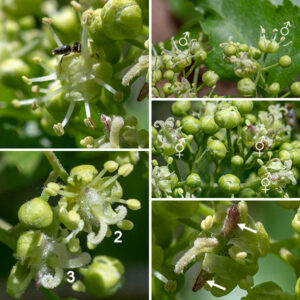
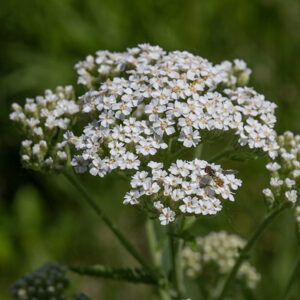
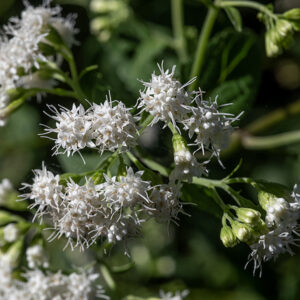
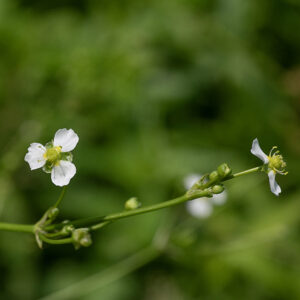
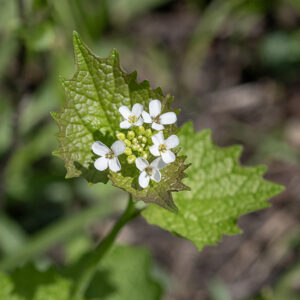
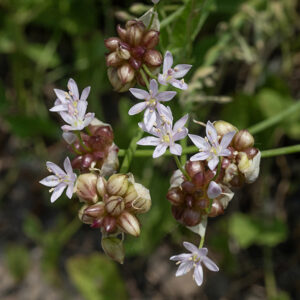
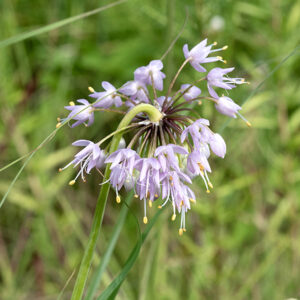
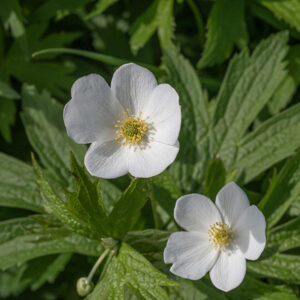
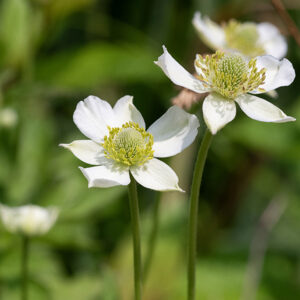
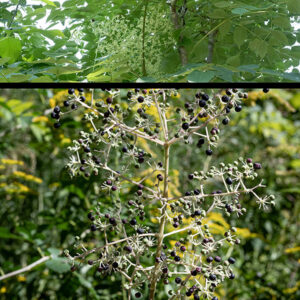
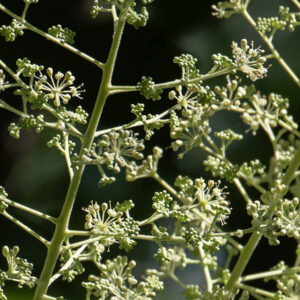
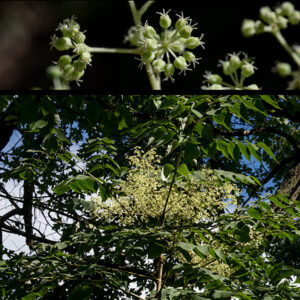
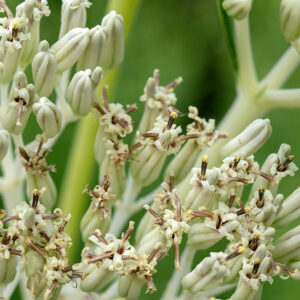
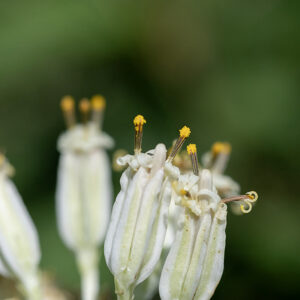
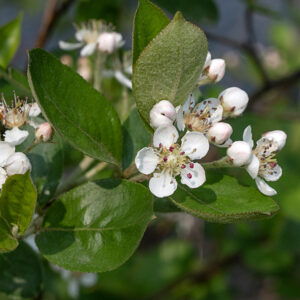
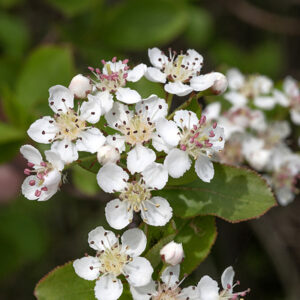
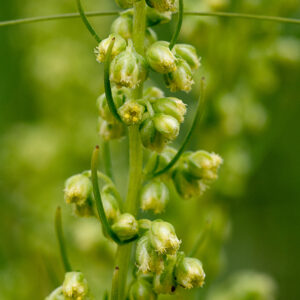
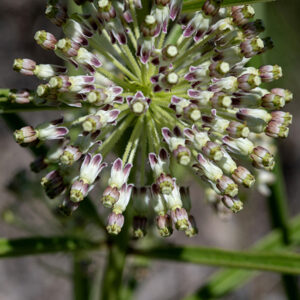
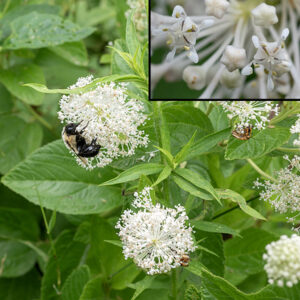
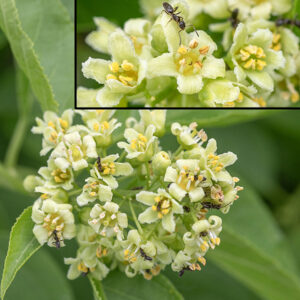
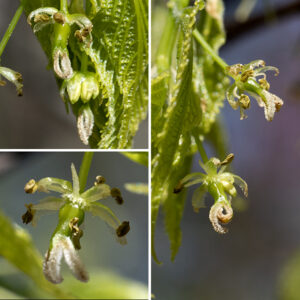
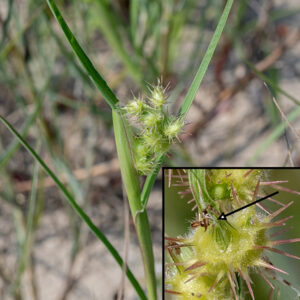
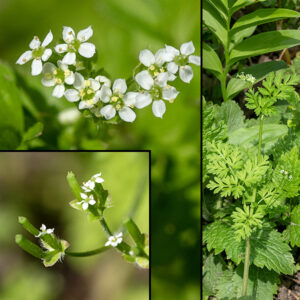
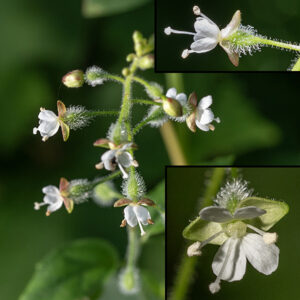
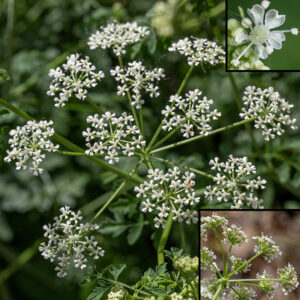
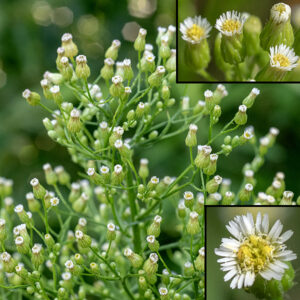
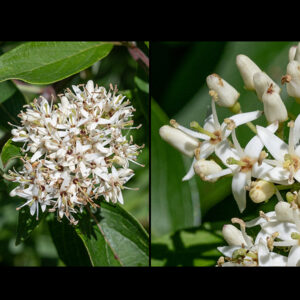
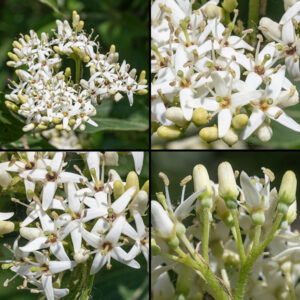
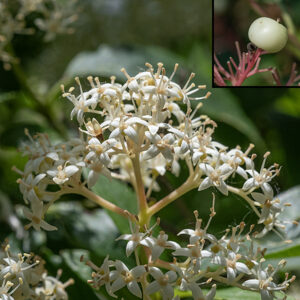
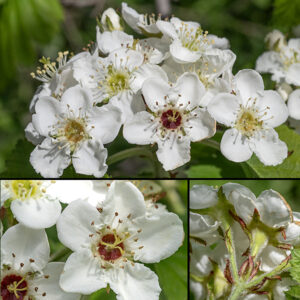
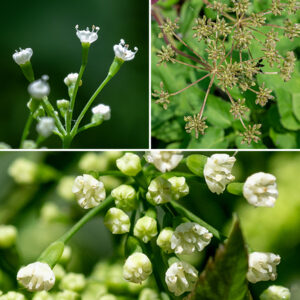
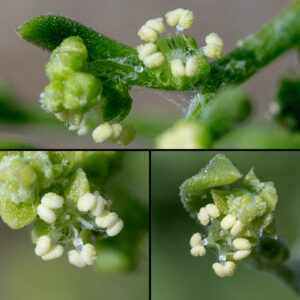
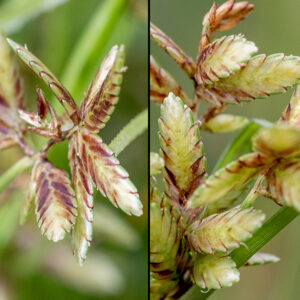
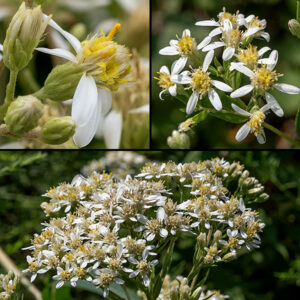
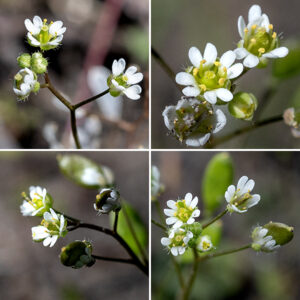
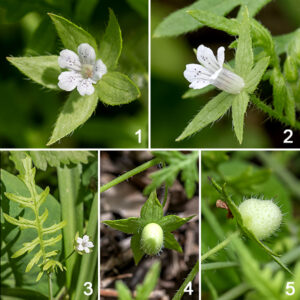
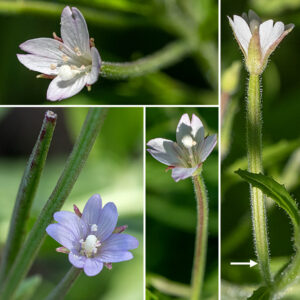
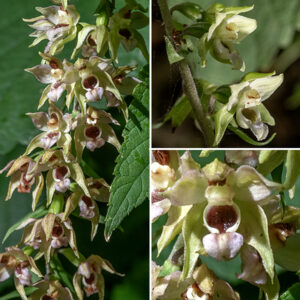
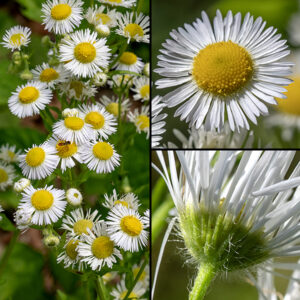
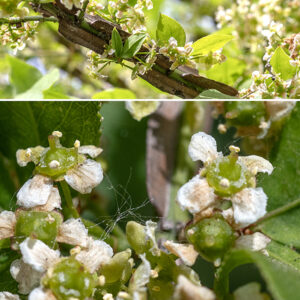
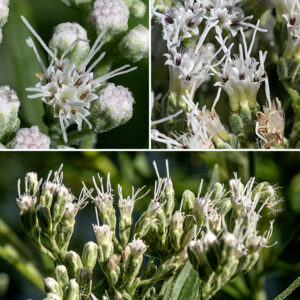
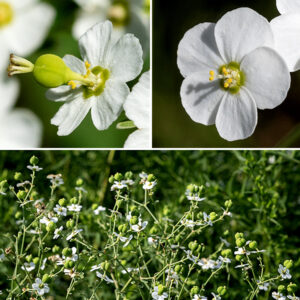
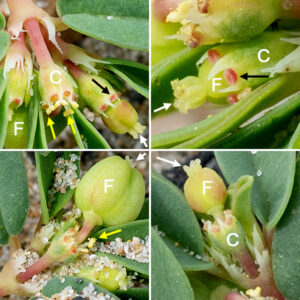
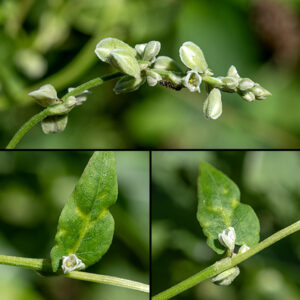
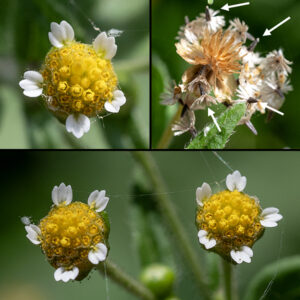
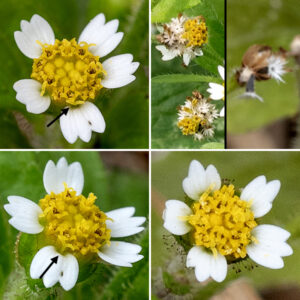
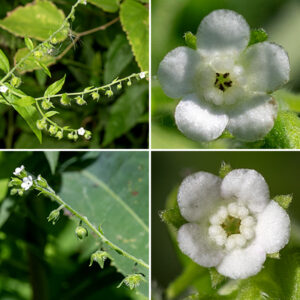
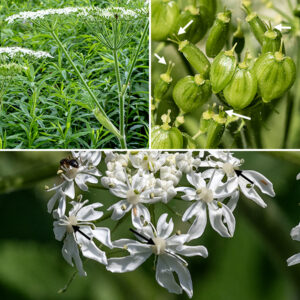
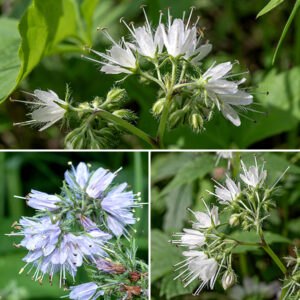
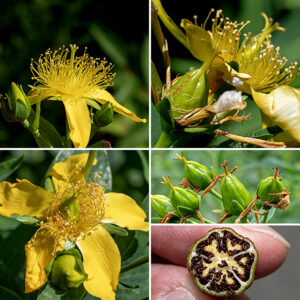
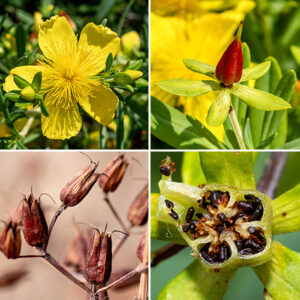
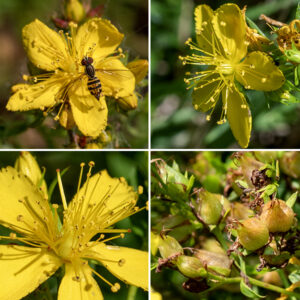
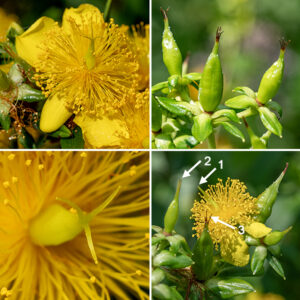
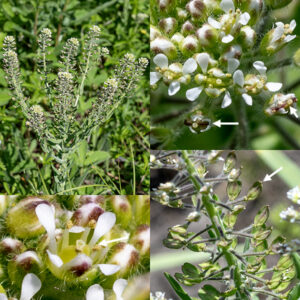
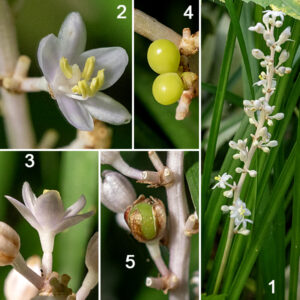
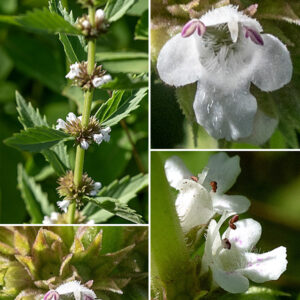
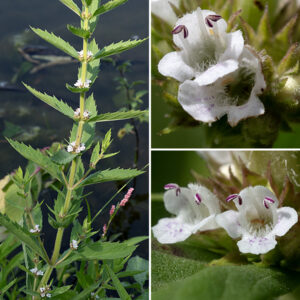
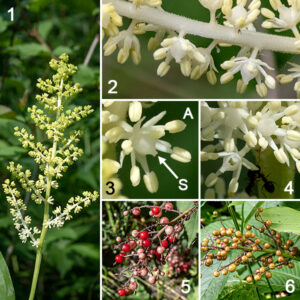
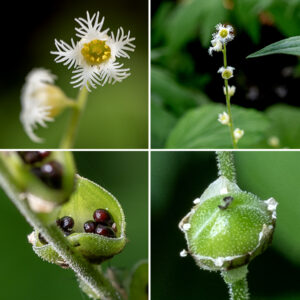
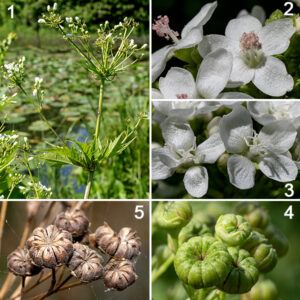
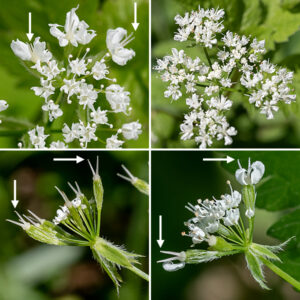
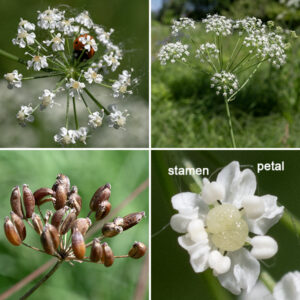
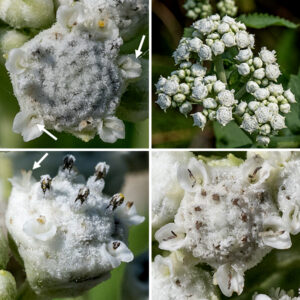
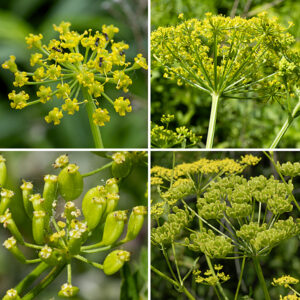
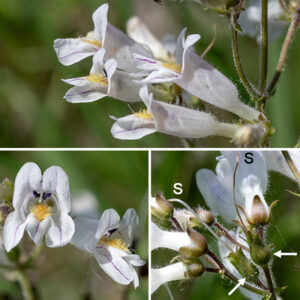
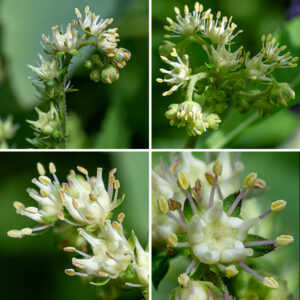
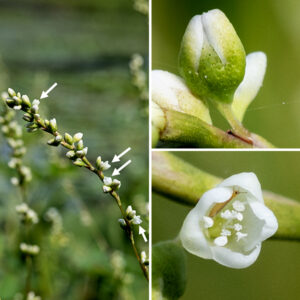
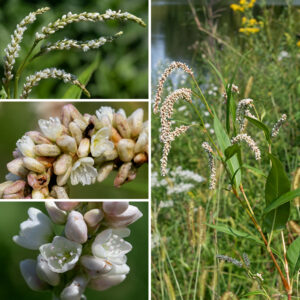
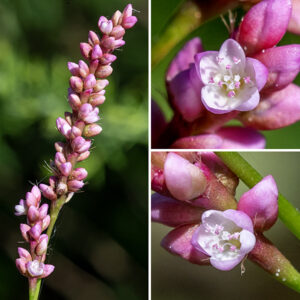
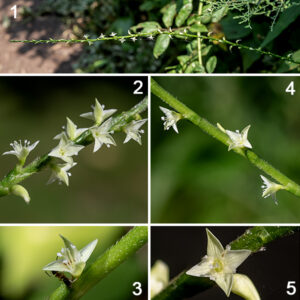
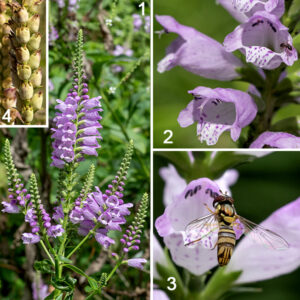
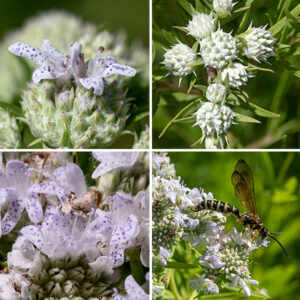
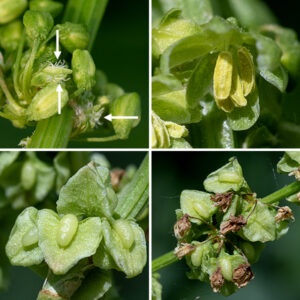
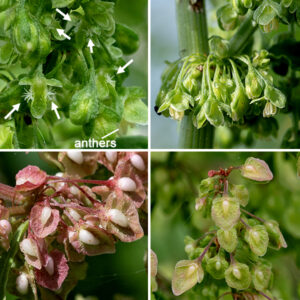
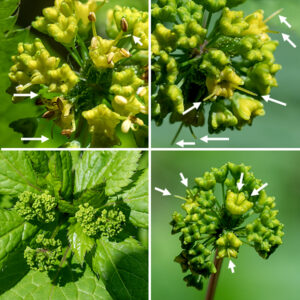
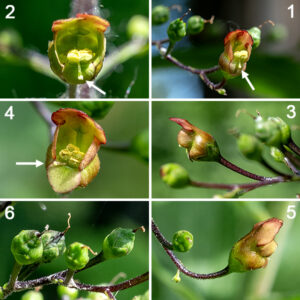
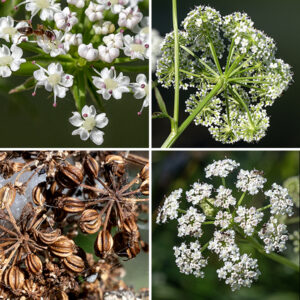
Wild dill (Perideridia americana) flowers and fruit. (1) An umbel of wild dill composed of about a dozen umbellets of individual flowers. (2, 3) Lateral (2) and three-quarters (3) views of single wild dill flowers. The flower in (2) is a bit more mature — the anthers have largely withered, and the ovary has turned from green to cream. The paired styles (one to each carpel) are visible in both images. (4) A close-up of a single fruit of wild dill. The two carpels (now seed pods) are visible, as are the remnants of the styles (arrows). The two styles have separated, and their stigmas have changed from white/translucent to reddish purple. (5) An umbellet of fruits of wild dill. The remnants of the styles are just visible. (6) Close-up of a single fruit of wild dill in three-quarters view. The remnants of the two styles and their stigmas are easily visible.
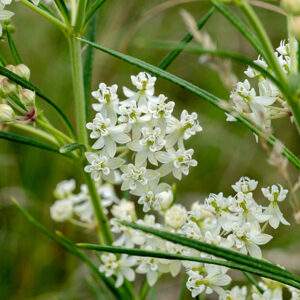
Wild dill (Perideridia americana) is a native perennial whose distribution is limited to a dozen states around the Mississippi River (including Illinois but not Minnesota); in most (7) of these states it is considered critically imperiled. At the apex of wild dill’s stems and branches are compound umbels of small white flowers; the umbels are about 6″ across and have 12 umbellets that are widely spaced from each other. An umbellet is about 1″ across and contains 7-21 flowers. Individual flowers are about 3 mm (1/8″) across, consisting of 5 small, triangular, green sepals; 5 petals, each notched at the tip; (ideally) 5 stamens with white anthers; and a hairless ovary formed from two fused carpels, each with a short style. The stamens are fragile and often fall off, so there may be less than five stamens present. The fruit is an elongated schizocarp 3-5 mm long with a longitudinal groove that splits to release laterally flattened, wingless, brown to black seeds. Often, the remnants of the styles persist at the apex of the fruit.

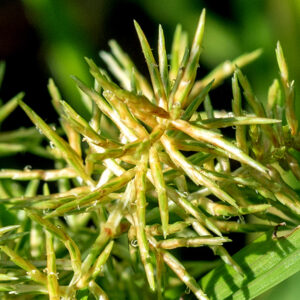
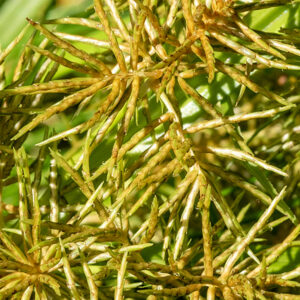
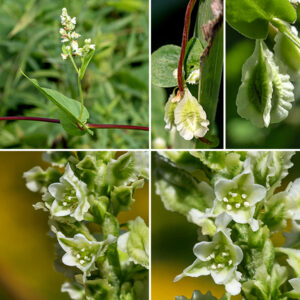
Wild dill (Perideridia americana) stems and leaves. Upper right: a very young specimen of wild dill in the first week of March. The remainder of these images were all shot in early June. Lower right: a wild dill plant at the height of blooming. On the right-hand side of the image, a stem (S) runs vertically from bottom to top; running at a 30° angle from the bottom right corner to the middle of the top of the image is a branch (B). Two rather skeletal leaves (black arrows, “L”) are attached to the branch. Left: two images of the same leaf. The upper surface of the petiole (UP) is shown in the lower left image; the lower surface of the same leaf’s petiole (LP) is shown in the upper left image. Because the leaflets diverge at various angles from their petiolules and may twist around their length, both upper and lower surfaces of the leaflets can be seen in both images.

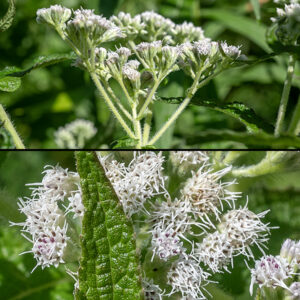
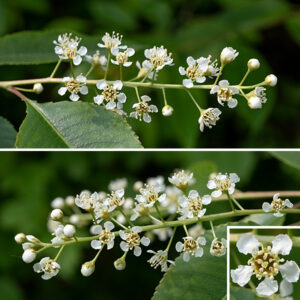
A wild dill (Perideridia americana) plant in the eastern half of Bobolink Meadow. Note the sparse branching and small umbellets of tiny white flowers. This is an easy plant to overlook. The inset in the lower right shows a closer view of a typical umbellet of wild dill.
Wild dill (Perideridia americana) is a native perennial whose distribution is limited to a dozen states around the Mississippi River (including Illinois but not Minnesota); in most (7) of these states it is considered critically imperiled. Wild dill grows to 2-3.5 feet tall with sparse branches. The stems are round in section, hairless, and green. The leaves are alternate, doubly pinnate, about 8″ long and 4″ across, distributed sparsely along the stems. The leaflets are slender, about 3 mm (1/8″) across and 1-6″ long, with 1-3 lobes; the leaflet margins are smooth. At the apex of the stems and branches are compound umbels of small white flowers; the umbels are about 6″ across and have 12 umbellets that are widely spaced from each other. An umbellet is about 1″ across and contains 7-21 flowers. Individual flowers are about 3 mm (1/8″) across, consisting of 5 small, triangular, green sepals; 5 petals, each notched at the tip; (ideally) 5 stamens with white anthers; and a hairless ovary formed from two fused carpels, each with a short style. The stamens are fragile and often fall off, so there may be less than five stamens present. The fruit is an elongated schizocarp 3-5 mm long with a longitudinal groove that splits to release laterally flattened, wingless, brown to black seeds. Often, the remnants of the styles persist at the apex of the fruit.
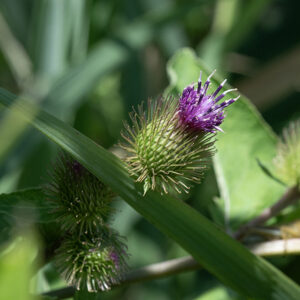
Wild dill is also known as thicket parsley or Eastern yampah. (“yampah” is a Shoshone word). (See the really nice article on some members of this genus at www.nomadseed.com.) Although wild dill is edible, as is the similar Queen Anne’s lace (Daucus carota), poison hemlock (Conium maculatum) is similar to both and not to be trifled with — don’t put ANY of these in your mouth unless you are VERY sure of your identification.
Browse more plants
Want to keep exploring more plants? You can view other plants like this one by selecting a characteristic from the list below, or 'browse more plants' to go back to the Plant Finder.