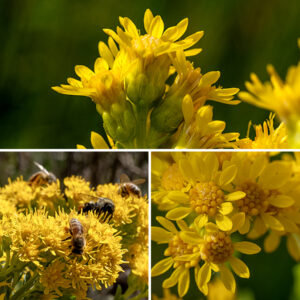
Urtica gracilis
slender stinging nettle [Blooms: Jul-Aug]
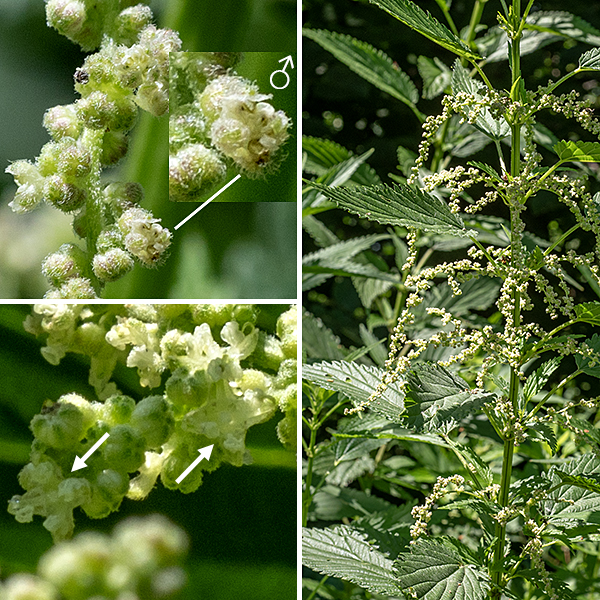
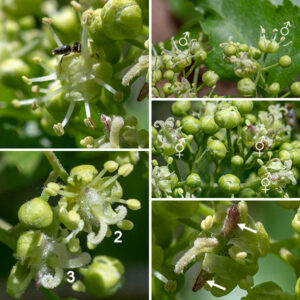
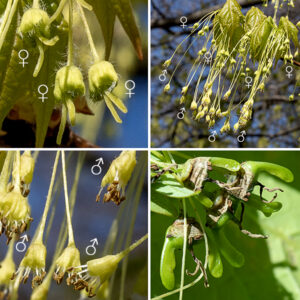
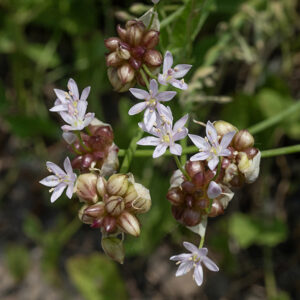
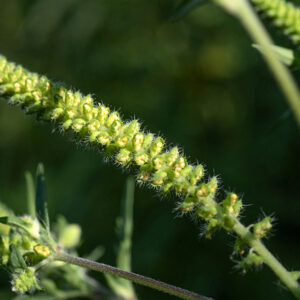
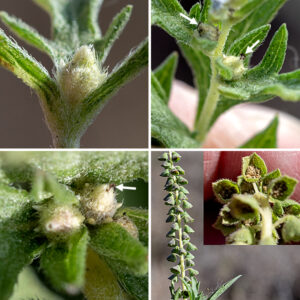
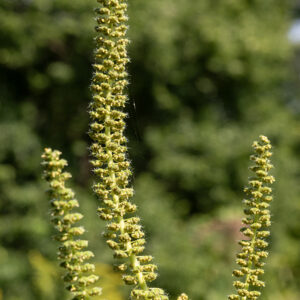
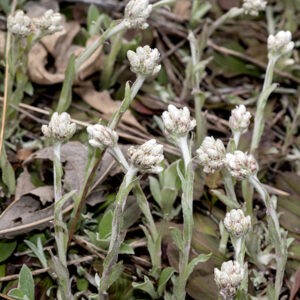
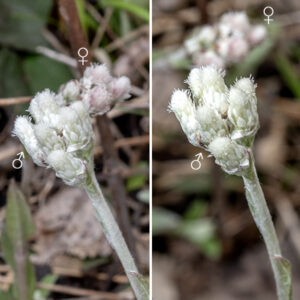
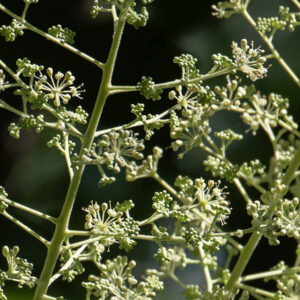
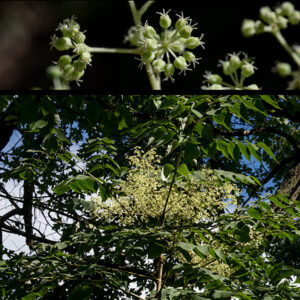
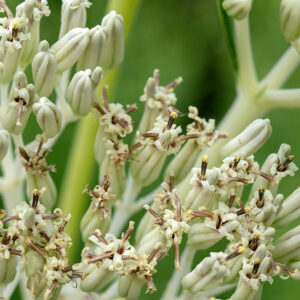
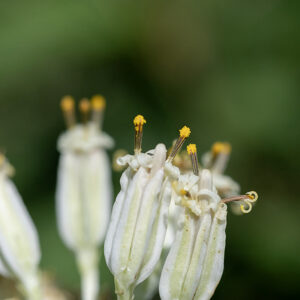
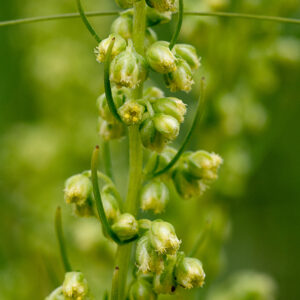
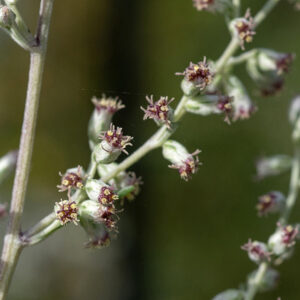
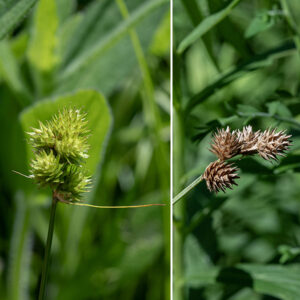
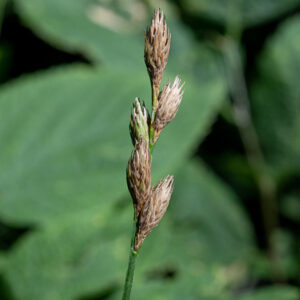
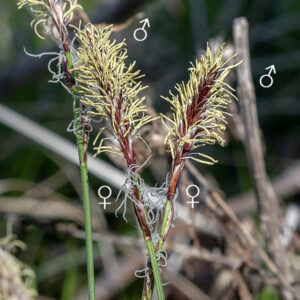
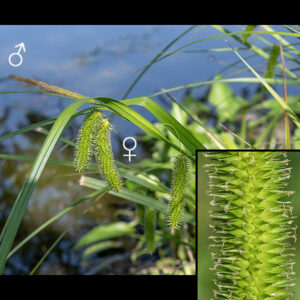
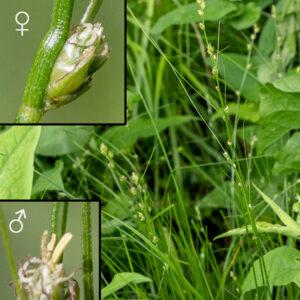
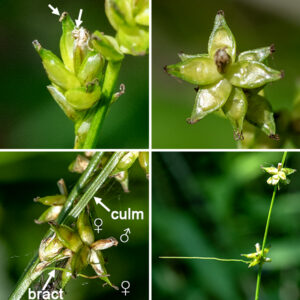
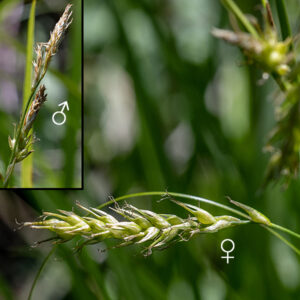
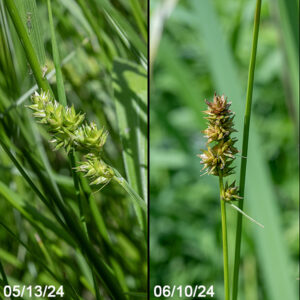
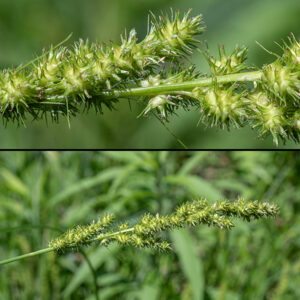
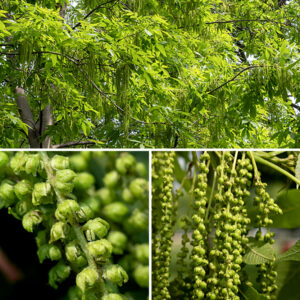
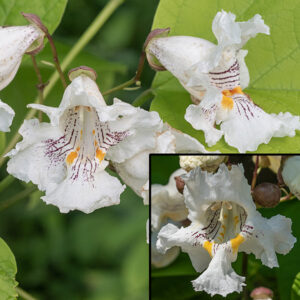
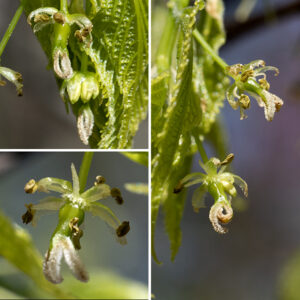
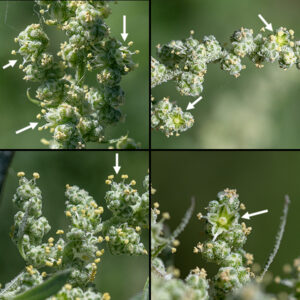
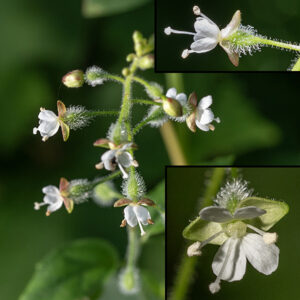
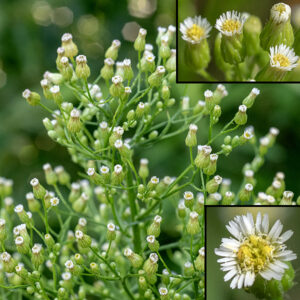
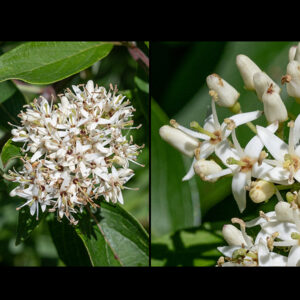
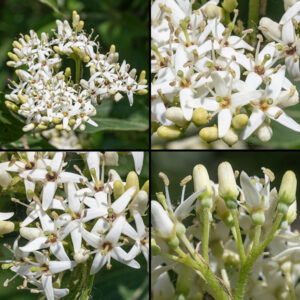
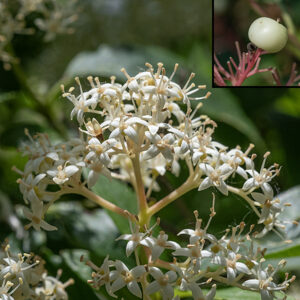
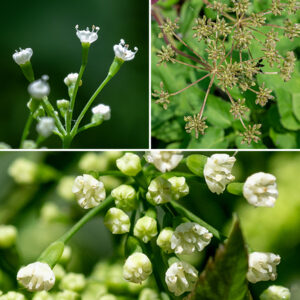
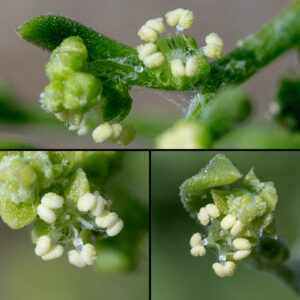
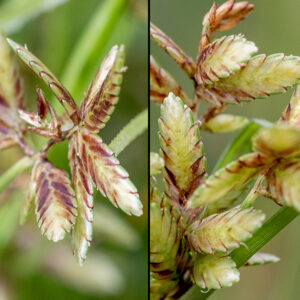
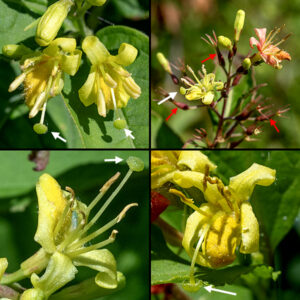
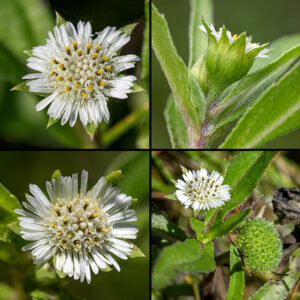
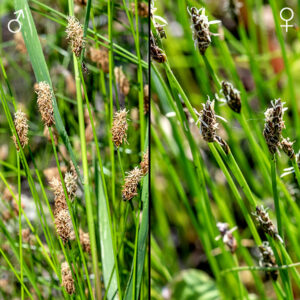
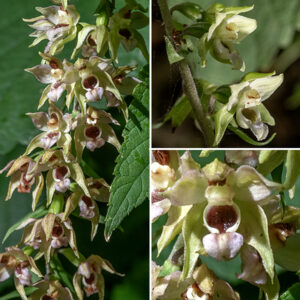
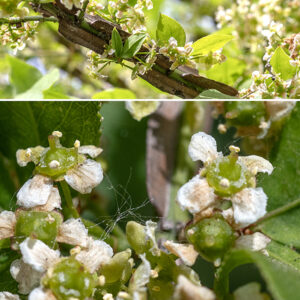
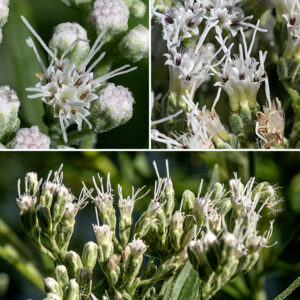
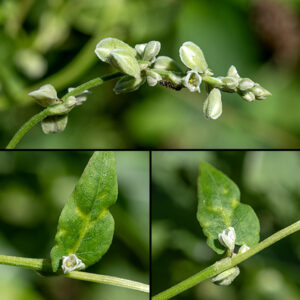
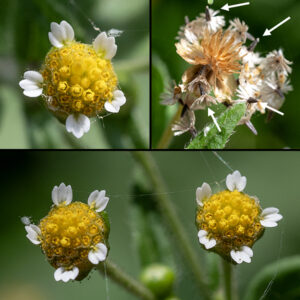
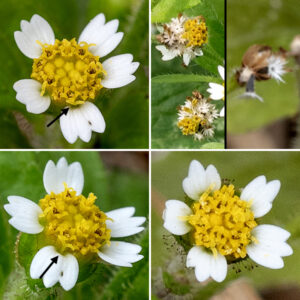
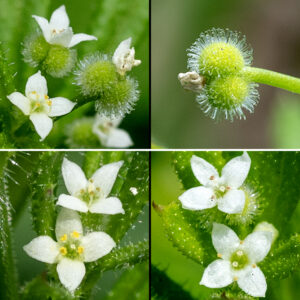
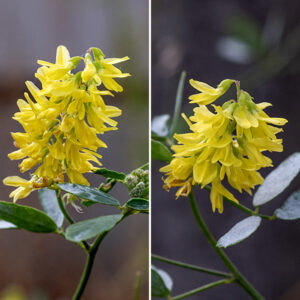
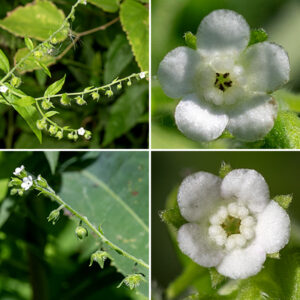
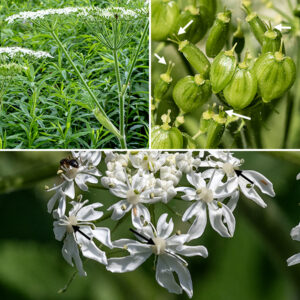
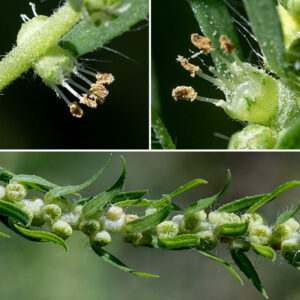
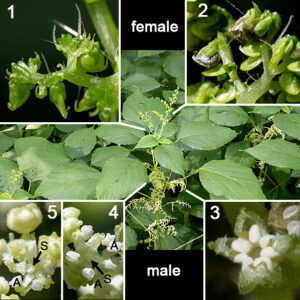
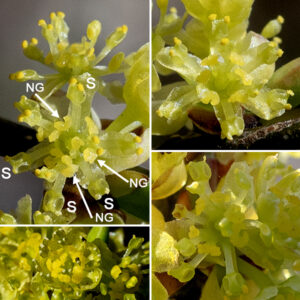
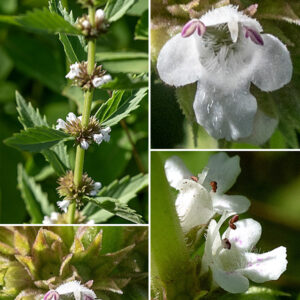
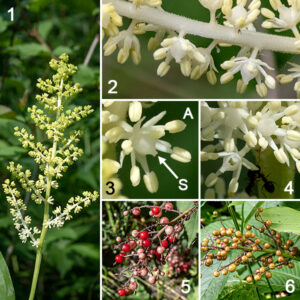
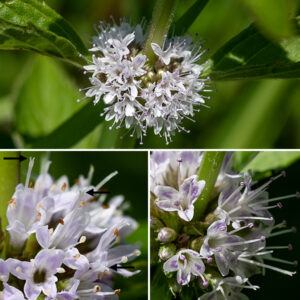
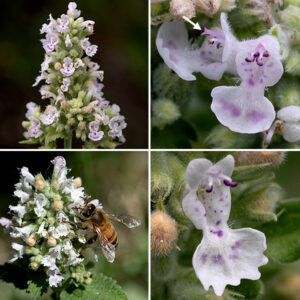
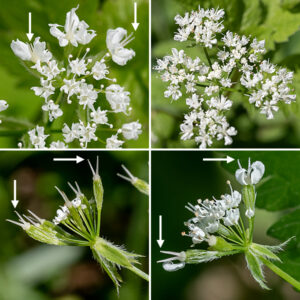
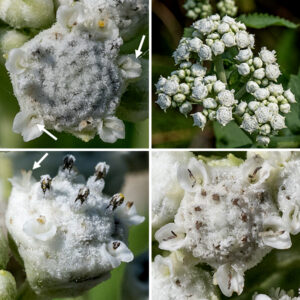
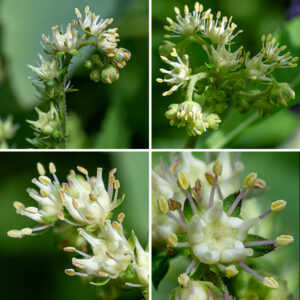
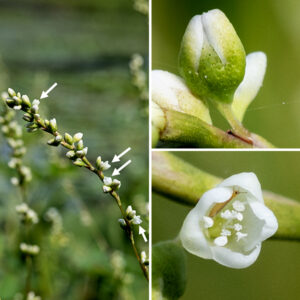
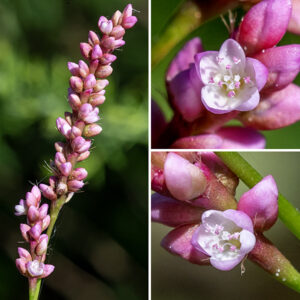
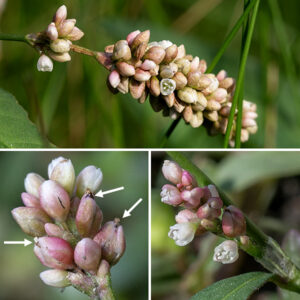
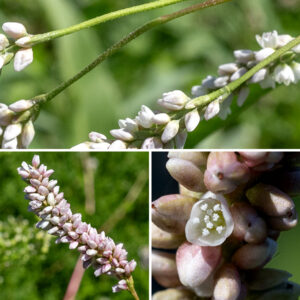
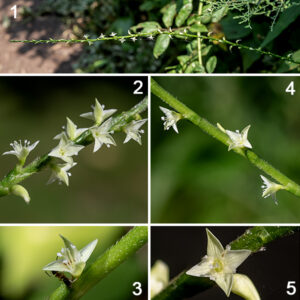
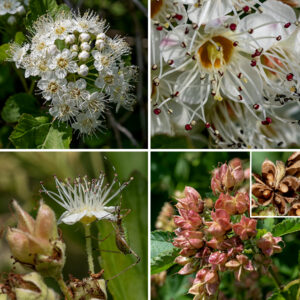
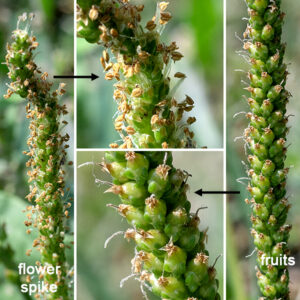
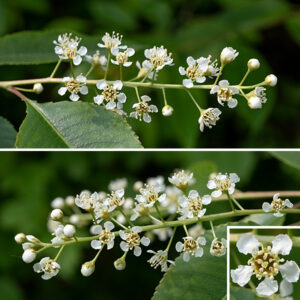
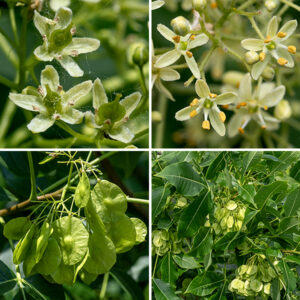
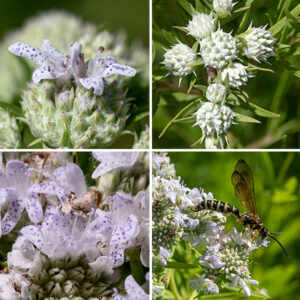
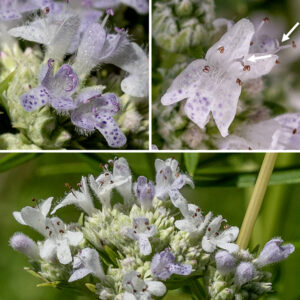
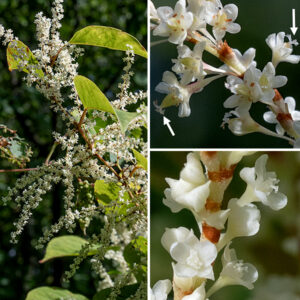
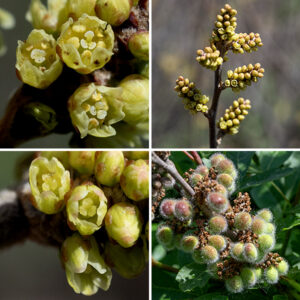
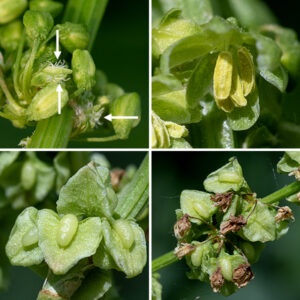
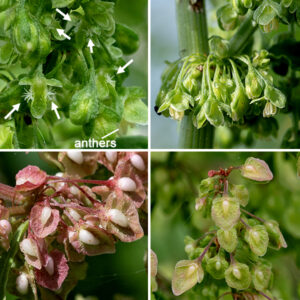
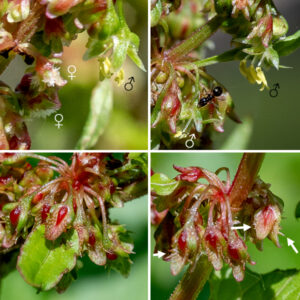
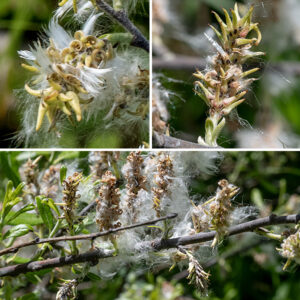
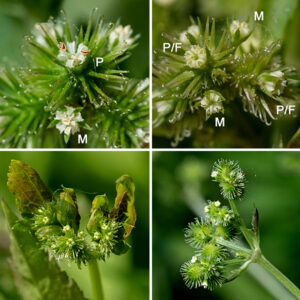
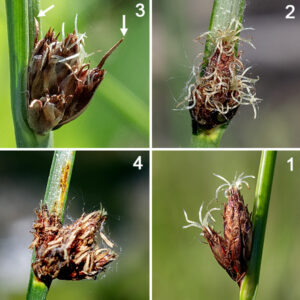
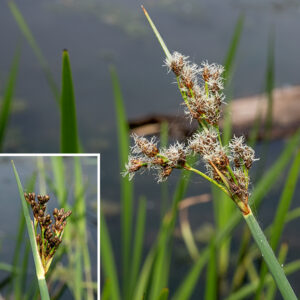
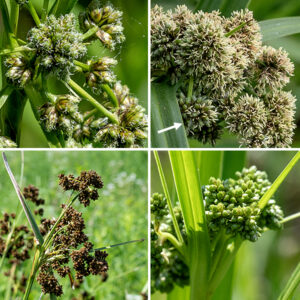
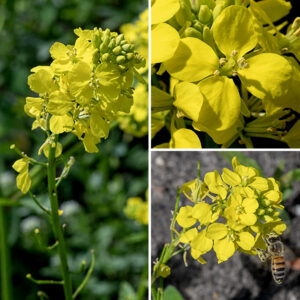
Slender stinging nettle (Urtica gracilis) flowers. Right: knobby clusters of flowers that have arisen from the leaf axils. Each knob is an individual flower, either male (staminate) or female (pistillate). Top left: an enlarged portion of a stinging nettle flower panicle. One of the open flowers is further enlarged in the insert on the right; it is a staminate flower with four equal sepals cupping four stubby stamens. Bottom left: another enlarged portion of a stinging nettle flower panicle. Again, two flowers can be seen to be staminate flowers (as are all the other flowers on this plant). It is almost impossible to see these details in the field, so I have no images of pistillate stinging nettle flowers.
Slender stinging nettle plants are dioecious (unisexual) with male (staminate) and female (pistillate) flowers on separate plants. Flowers occur in knobby clusters (panicles) that arise from the leaf axils. Neither pistillate nor staminate flowers have any petals. Staminate flowers have four light green, identical sepals cupping four short stamens. Pistillate flowers also have four sepals but two sepals are narrowly lance-shaped, about a millimeter long, and free, alternating with two sepals that are 1.4-1.8 mm long and cupped around the ovary; styles are absent but the single stigma is long and feathery. The fruit is a flattened, oval to egg-shaped, seed less than 1/16″ long.
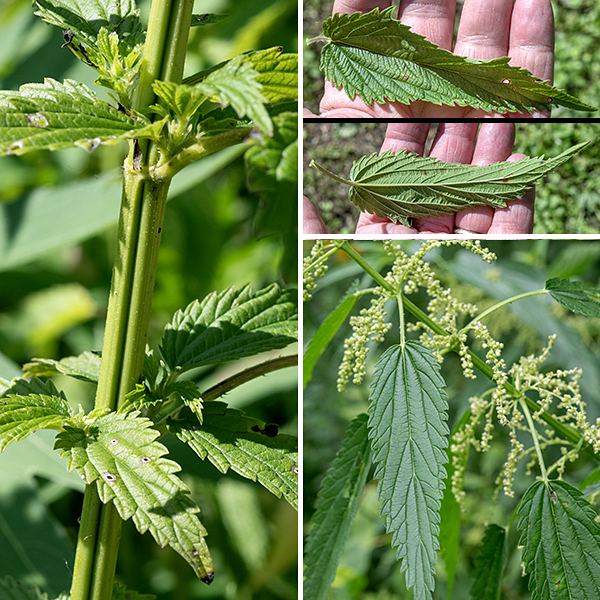
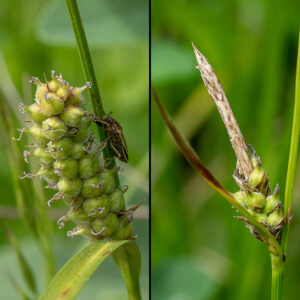
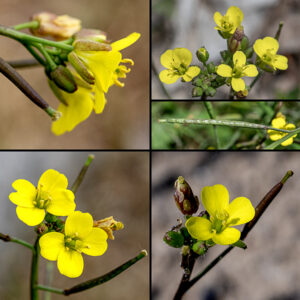
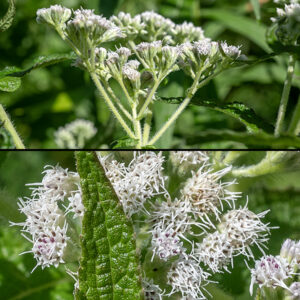
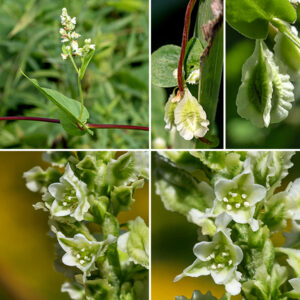
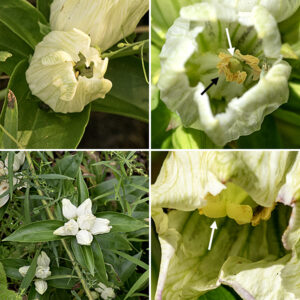
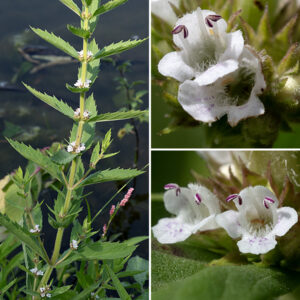
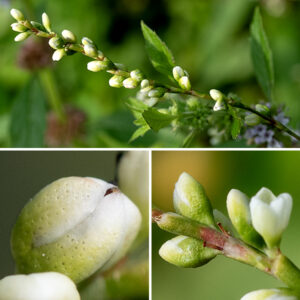
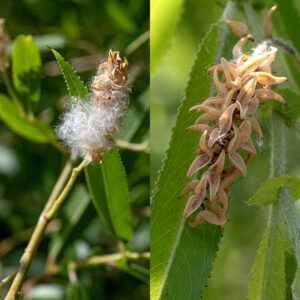
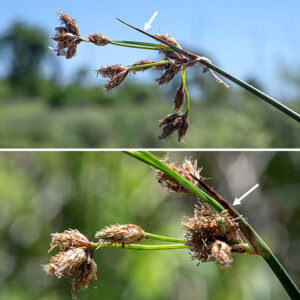
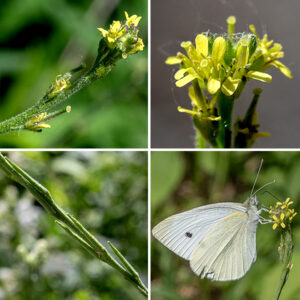
Slender stinging nettle (Urtica gracilis) stems and leaves. Top right: the upper surface (top image) and the underside (lower image) of the same leaf; the raised veins are obvious. Bottom right: a slender stinging nettle leaf in situ on a stem festooned with knobby clusters of flowers. The venation and marginal sculpture are easy to pick out. Right: a stem of slender stinging nettle and two leaf nodes.
Slender stinging nettle’s stem is square (four-angled) in section, up to 6.5 feet tall, usually unbranched, and may have bristly stinging hairs. The leaves are opposite, oblong or lance-shaped, tapering to a pointed tip, 3-6″ long and 1/2-1.5″ across, not varying much in size with position on the stem. They have coarsely and sharply serrated margins and the veins are sunken on the upper surface of the blade, raised on the underside. Both leaf petioles and the stems may bear bristle-like stinging hairs, but slender stinging nettle (Urtica gracilis) has fewer stinging hairs than does Urtica dioica.
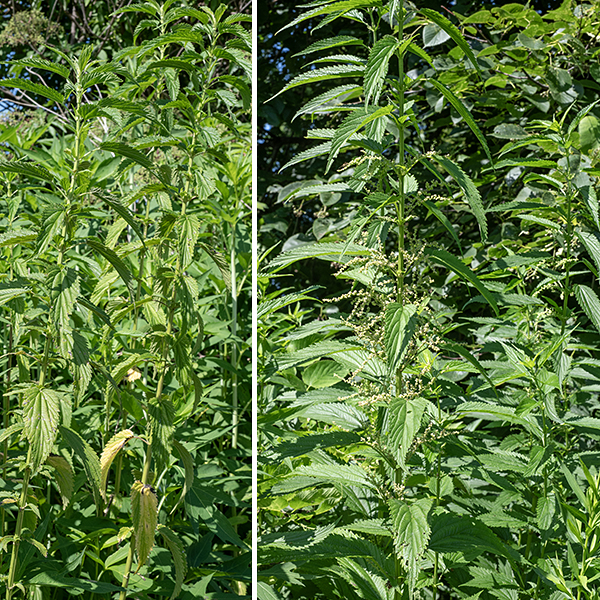
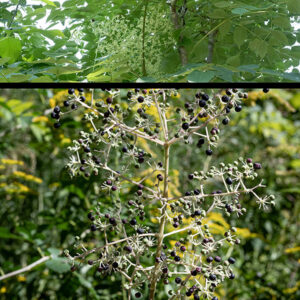
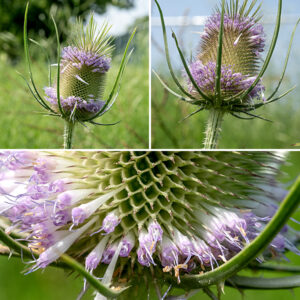
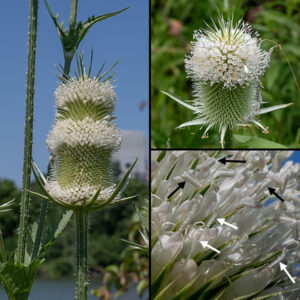
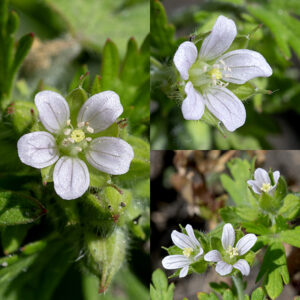
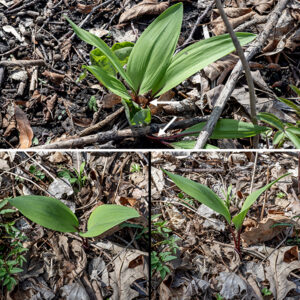
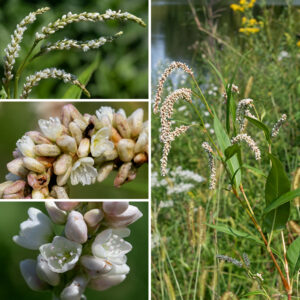
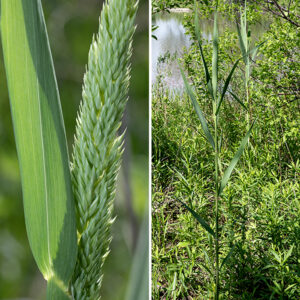
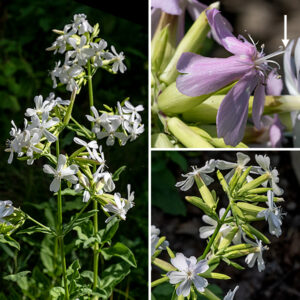
A stinging nettle (Urtica dioica) plant growing on the east side of the woods west of the old tennis courts (now Jackson Bark). The plants on the left have yet to produce flowers; the plant in the right image has prolifically produced panicles of flowers.
Stinging nettles (aka, tall nettle, slender stinging nettle) have a complicated biogeographic history. According to USDA Plants and ITIS.gov, the subspecies Urtica dioica gracilis is native, while the subspecies Urtica dioica dioica is an exotic that is native to Europe and Asia. Thus, you may see “stinging nettle” listed as either “native” or “exotic.” Both subspecies are perennials, and both occur in Illinois, although “gracilis” is far more common; most features are the same for both subspecies. Wikipedia says these subspecies are actually separate species, an opinion based on a 2014 paper in Phytotaxa (162: 61-83) that produced a molecular phylogeny based on four genes that put Urtica dioica and Urtica gracilis in separate clades with high confidence; Kew Garden’s Plants of the World Online and iNaturalist also accept Urtica gracilis as a valid species. I’ve chosen to use Urtica gracilis here if only to avoid further proliferation of long scientific names in this presentation.
Browse more plants
Want to keep exploring more plants? You can view other plants like this one by selecting a characteristic from the list below, or 'browse more plants' to go back to the Plant Finder.