Prunus avium
sweet cherry [Blooms: Apr]
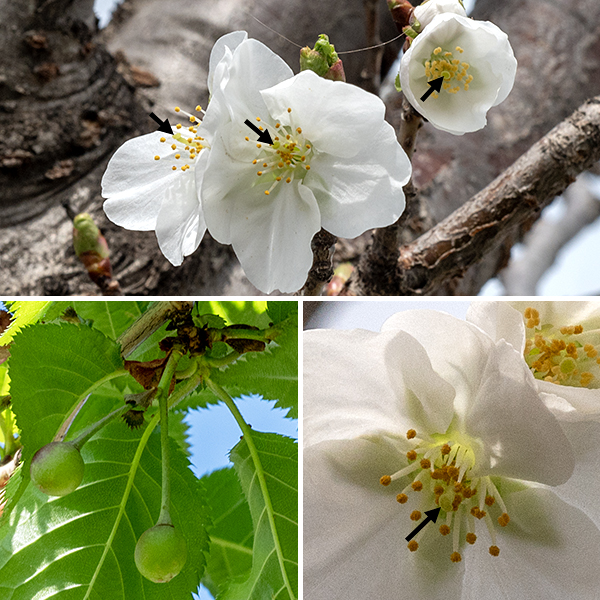
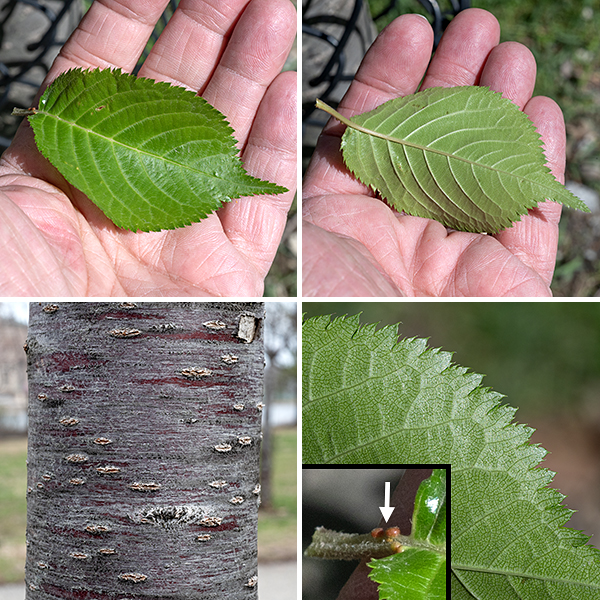
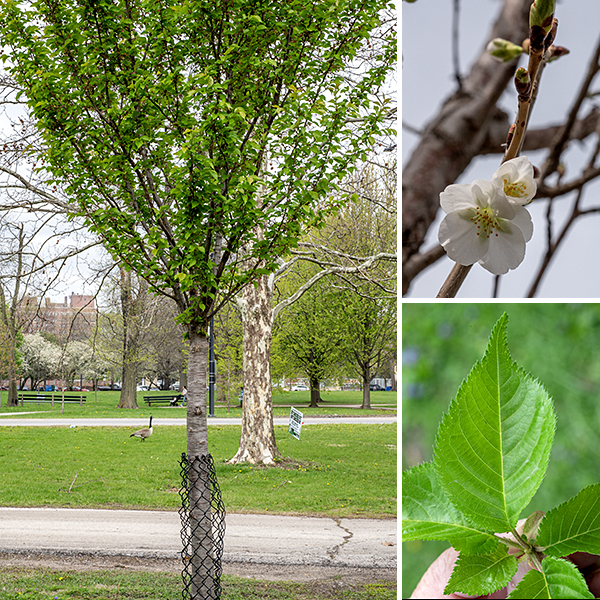
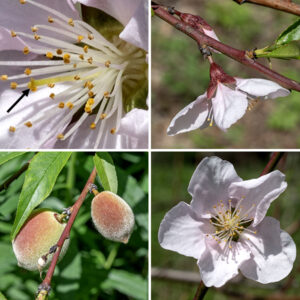
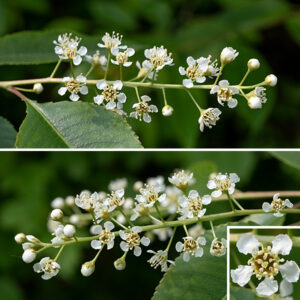
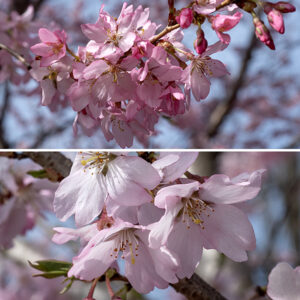
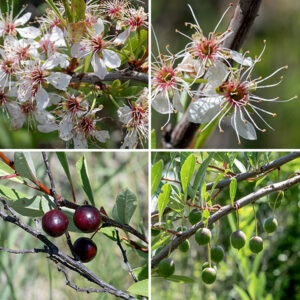
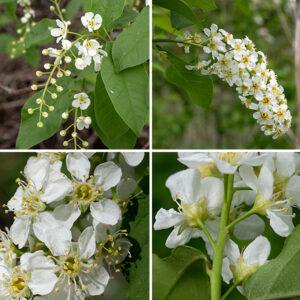
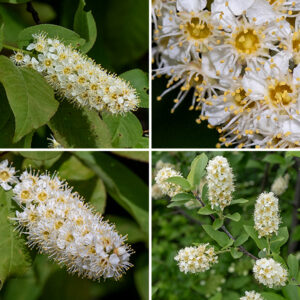
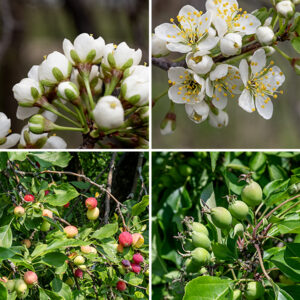
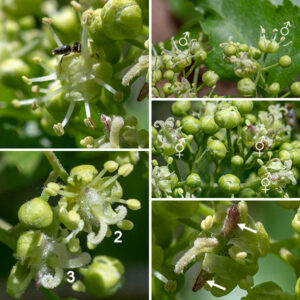
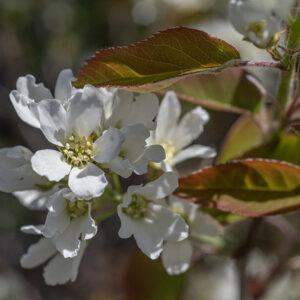
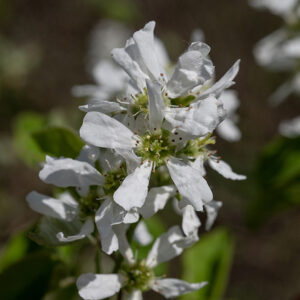
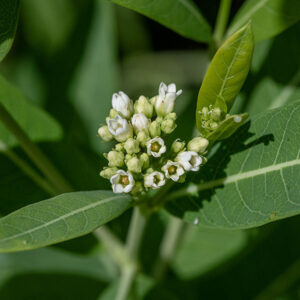
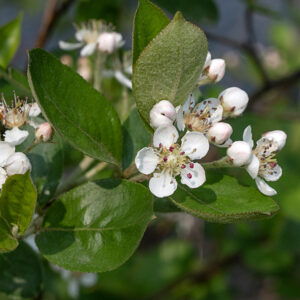
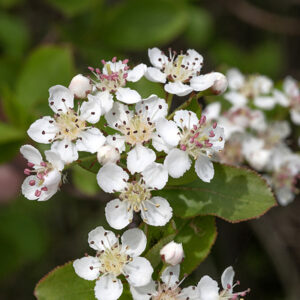
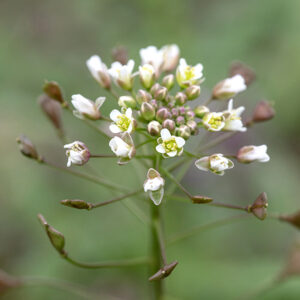
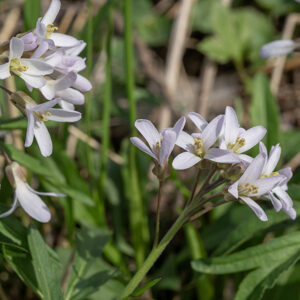
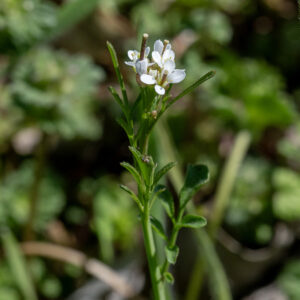
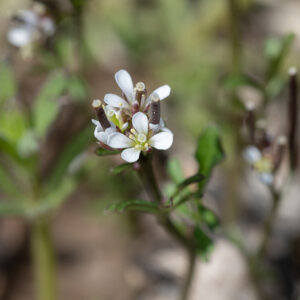
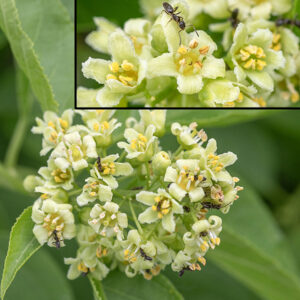
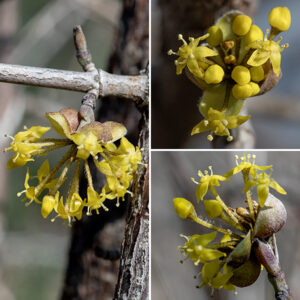
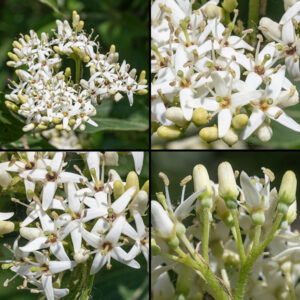
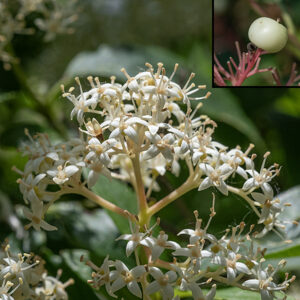
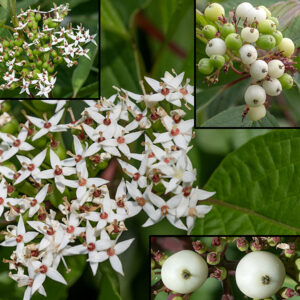
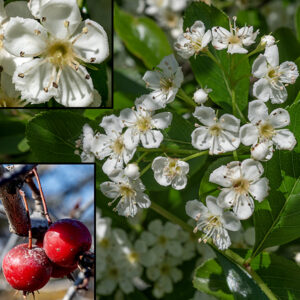
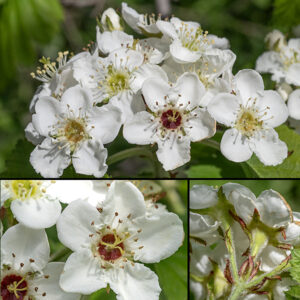
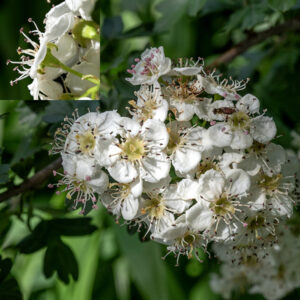
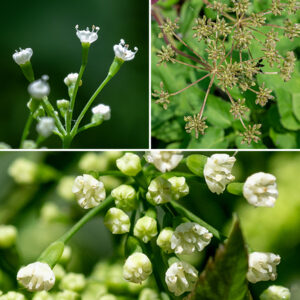
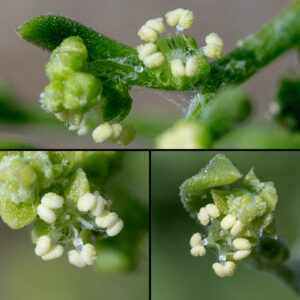
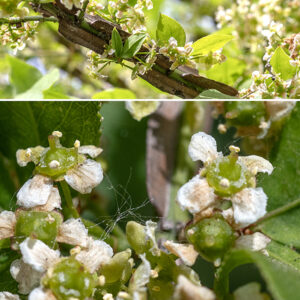
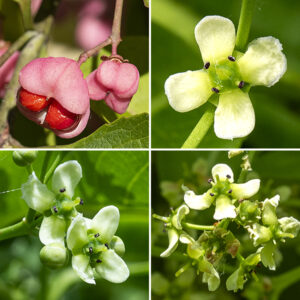
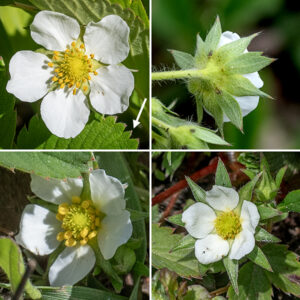
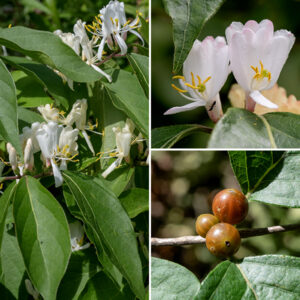
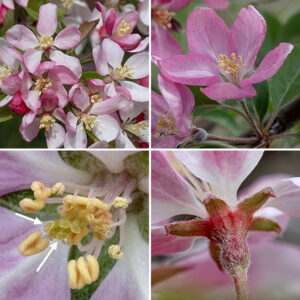
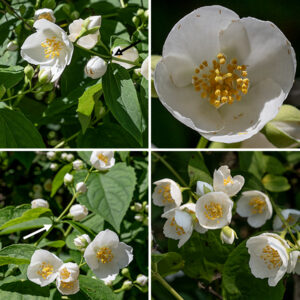
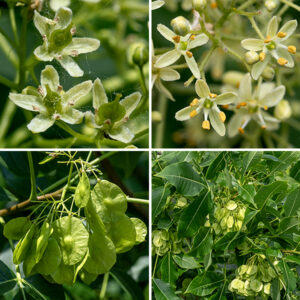
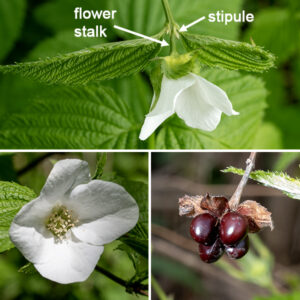
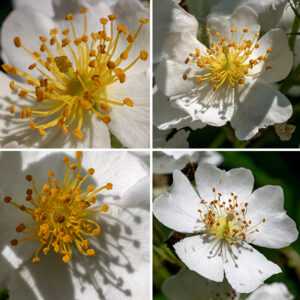
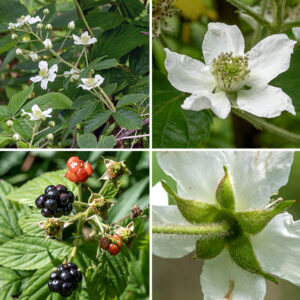
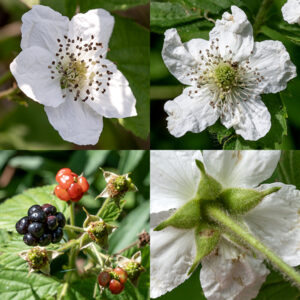
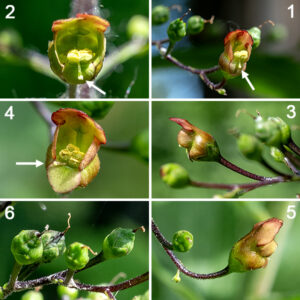
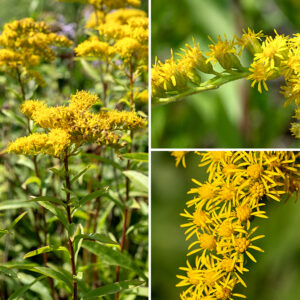
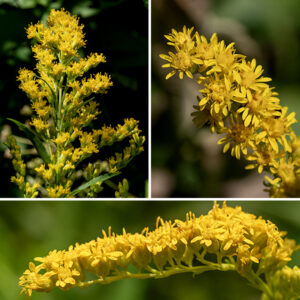
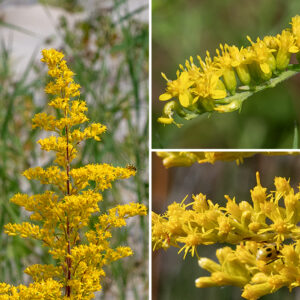
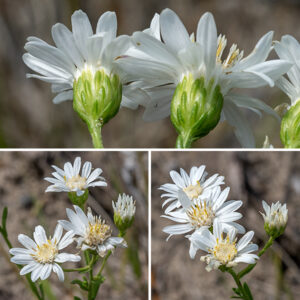
Sweet cherry (Prunus avium) is an exotic species native to western Europe. In Jackson Park, the species has been planted by the Park District north of West Lagoon, presumably to diversify their collection of flowering cherry trees. As the Illinois Dept. of Natural History notes, sweet cherry rarely escapes from cultivation. Sweet cherry can grow to a height of 80 feet tall, although 15-30 feet is more common; they can live up to 60 years. Young trees have a straight trunk with a symmetrical crown; older trees may be more irregular. The bark of sweet cherry varies from light gray to dark reddish-brown; on younger stems and the branches, the bark is covered with prominent, horizontally-elongated lenticels with white borders. The leaves are alternate, 2.75-5.5″ long and 1.5-3″ wide, matte or shiny green the upper surface and variably downy on the underside. The leaf margin is serrated, tapering abruptly to a pointed tip. The petiole is 3/4-1.5″ long and bears 1-3 (typically two) small, discoid red glands that are extrafloral nectaries. The floral inflorescence is a flat-topped corymb of two to six cup-shaped flowers that appears in early spring as the new leaves unfold. Each flower is 1-1.5″ in diameter with five green sepals reflexed back along the petiole; five pure white petals; a ring of 20-30 stamens each with a white filament tipped with a yellow, ball-like stamen; and a single pistil with a terminal knob-like, greenish stigma. The fruit is a red to dark purple drupe (stone fruit) 1/2-1″ in diameter (a typical cherry).
Sweet cherry is a host to the larval stage of the Eastern tiger swallowtail butterfly (Papilio glaucus). The leaves, flowers, the flesh of unripe fruits, and the seeds all contain cyanogenic cyanides; the fruit stems and the seeds contain the highest concentrations of these toxins. If the pits of the fruits remain intact, there is little danger in swallowing a few pits but, if the hard coating of the pits is cracked or broken, the seeds pose a serious risk. Insects seem tolerant of these toxins; caterpillars of Eastern tiger swallowtail probably accumulate the toxins to deter predation. Like chokecherry (Prunus virginiana), sweet cherry is prone to infection by black knot fungus (Dibotryon morbosum).
Browse more plants
Want to keep exploring more plants? You can view other plants like this one by selecting a characteristic from the list below, or 'browse more plants' to go back to the Plant Finder.
Related Plants