Veronica persica
bird’s-eye speedwell [Blooms: May]

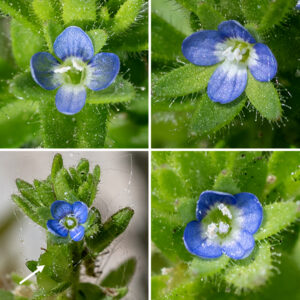
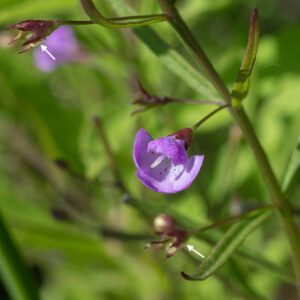
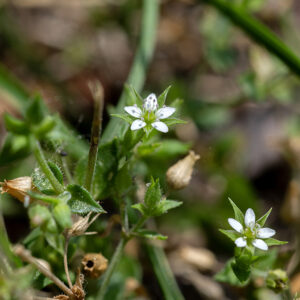
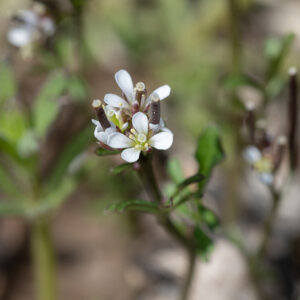
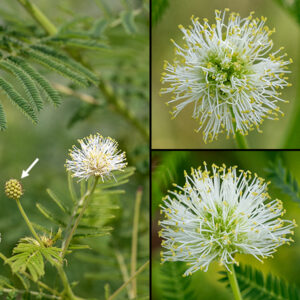
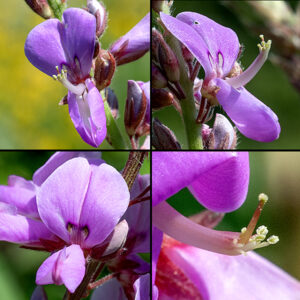
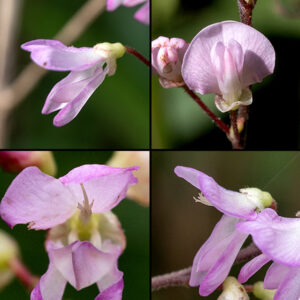
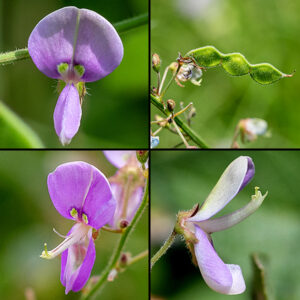
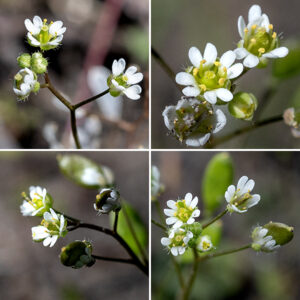
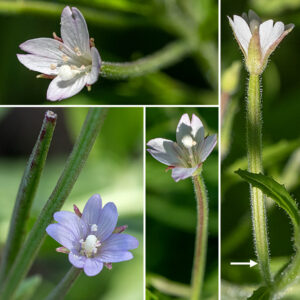
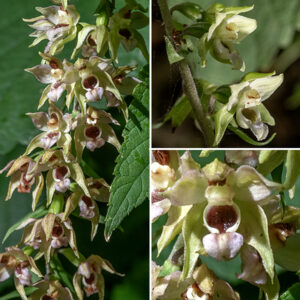
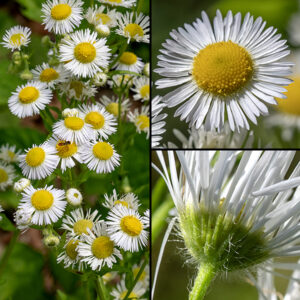
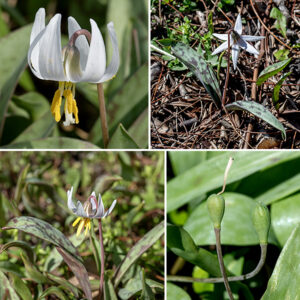
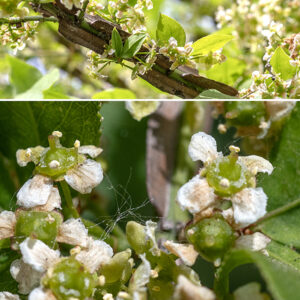
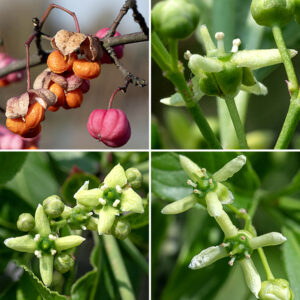
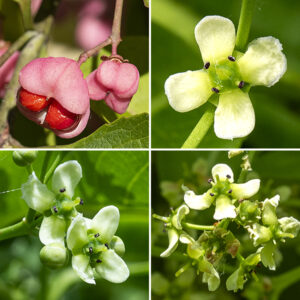
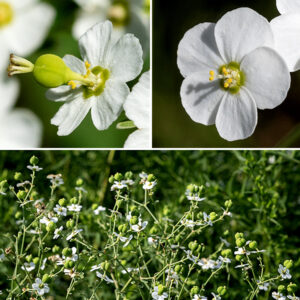
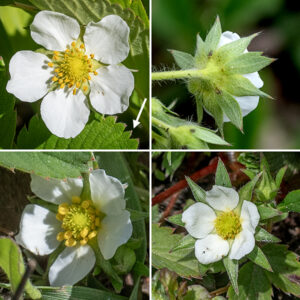
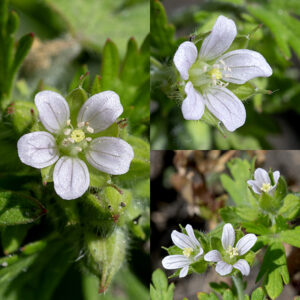
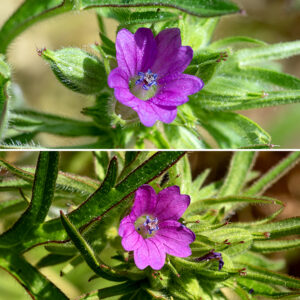
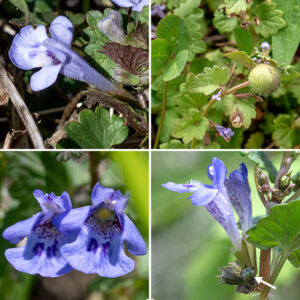
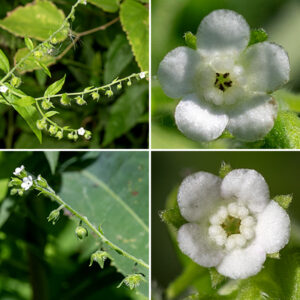
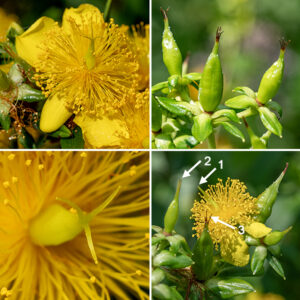
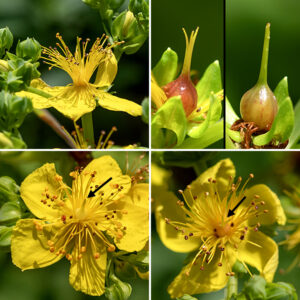
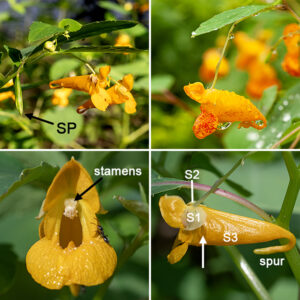
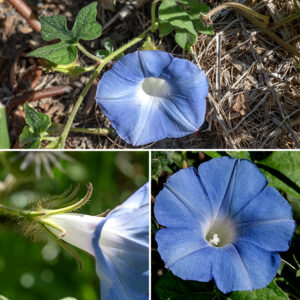
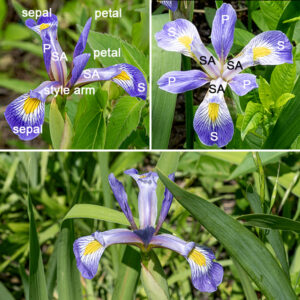
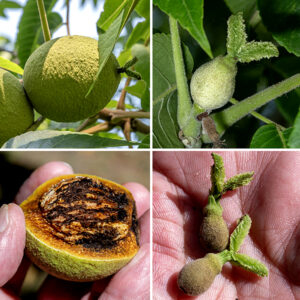
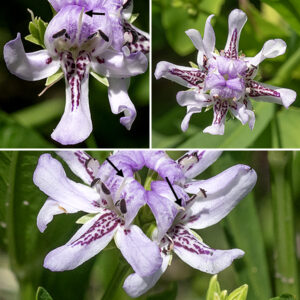
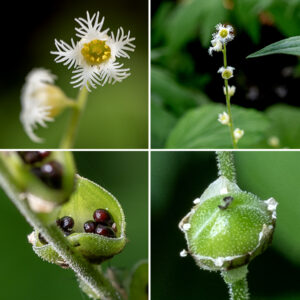
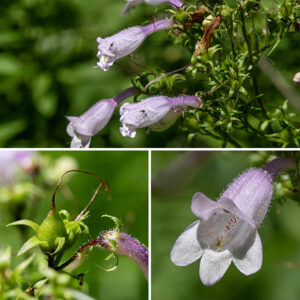
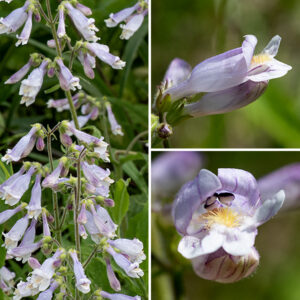
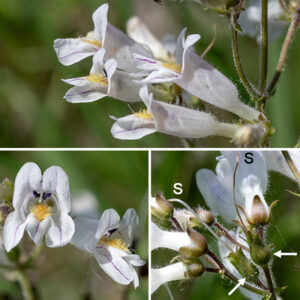
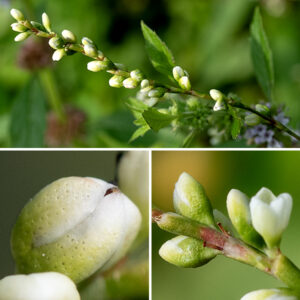
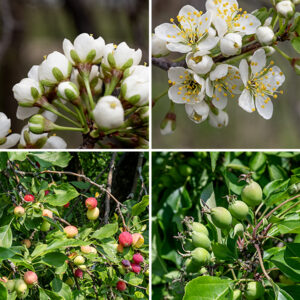
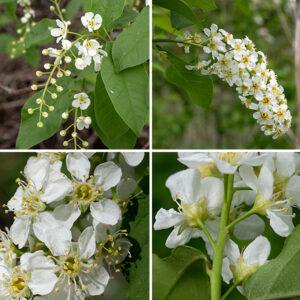
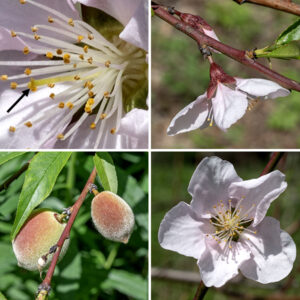
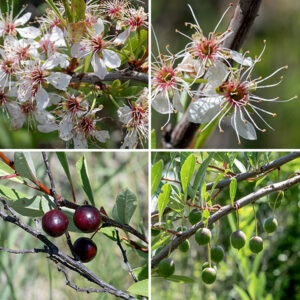
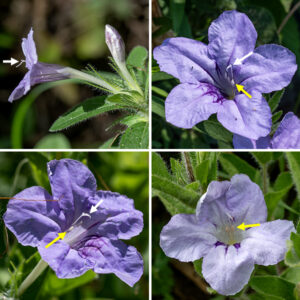
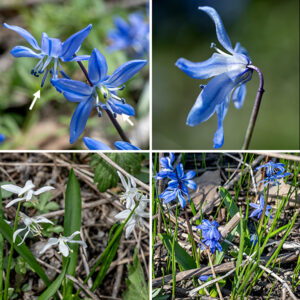
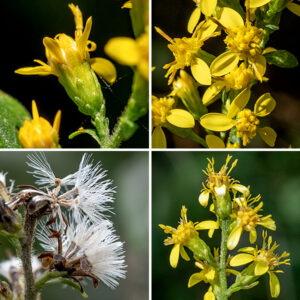
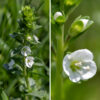
Bird’s-eye speedwell (Veronica persica) flowers and fruit. Top: a single bird’s-eye speedwell flower. Note the four sepals and the four petals. The southeast petal (the one closest to the lower right corner of the image) is smaller than the other three and lighter in color, making the flower bilaterally symmetrical rather than the usual radial symmetry. This is true of all bird’s-eye speedwell flowers. Bottom: after fertilization, the ovary enlarges, forming a two chambered fruit with the remnant of the pistil emerging from the junction of the two chambers. The fruit is attached to the stem by the persistent flower pedicel.
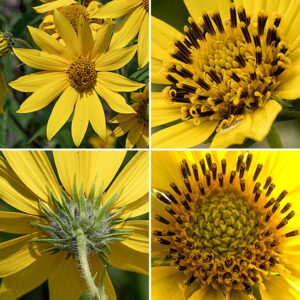
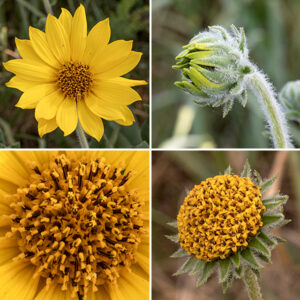
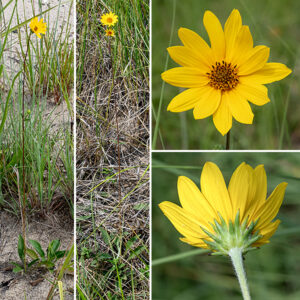
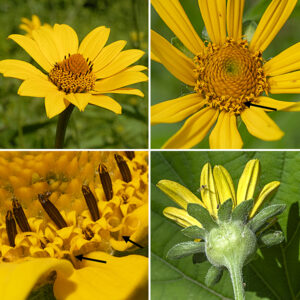
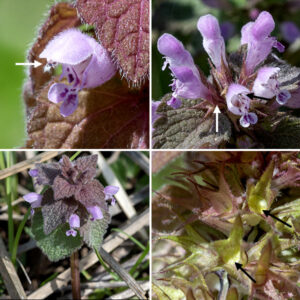
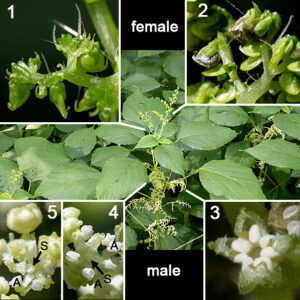
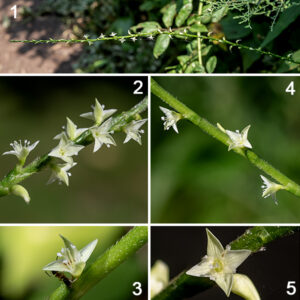
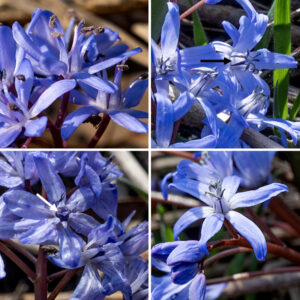
Bird’s-eye speedwell flowers are solitary, arising from the axils of upper leaves on 1/2-3/4″ long, hairy pedicels with a leaf-like bract at their bases. Individual flowers are about 8 mm across, consisting of (1) a calyx with four lance-shaped sepals that are fused at their bases and are shorter than the corolla lobes, and (2) a tubular corolla with four lobes (“petals”) that are round to oval. The corolla is bluish toward the edges and whitish centrally, with dark blue lines radiating from the center. One of the four lobes is slightly smaller (and whiter) than the other three, so the flower is bilaterally symmetrical. A pistil with a single 2-3 mm long style arises from the center of the flower; two white stamens with dark blue anthers flank the pistil. Fertilized flowers produce a two-lobed fruit nestled in the remnants of the calyx, each lobe containing 5-11 small seeds; the fruit is a laterally compressed heart shaped capsule that is longer than tall with a distinct shallow V-shaped groove where the remnants of the style can be seen.

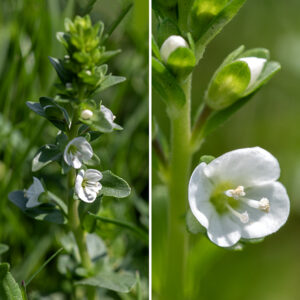
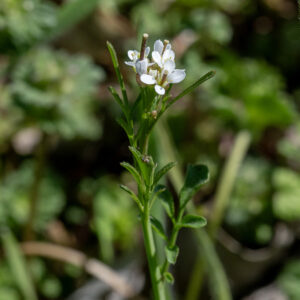
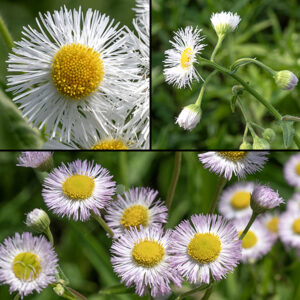
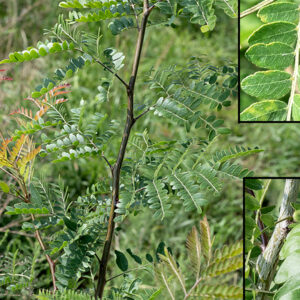
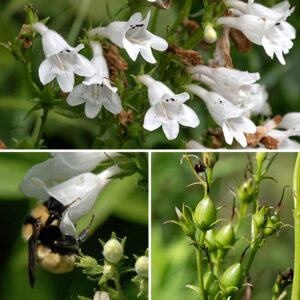
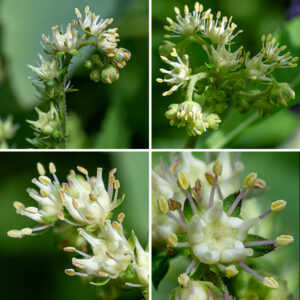
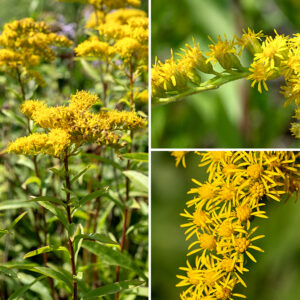
The tip of a bird’s-eye speedwell (Veronica persica) stem with the attached leaves. The image on the left is of the same stem as the image on the right but rotated about 90° clockwise.
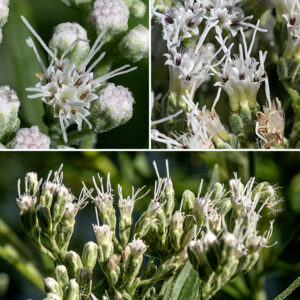
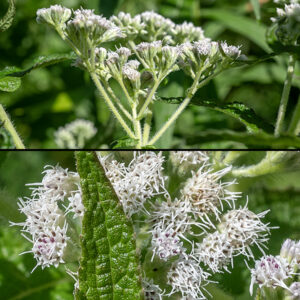
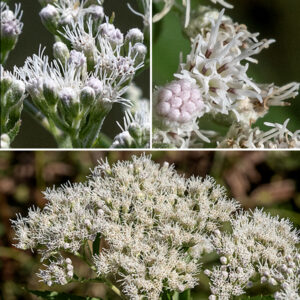
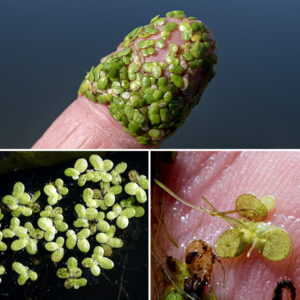
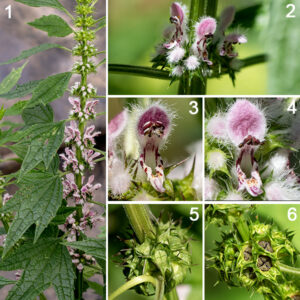
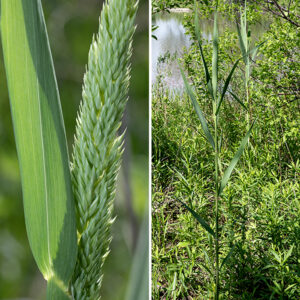
Bird’s-eye speedwell is a sprawling plant that gets 4-12″ long but only a few inches tall. The creeping stems are circular in section but slender; they are covered with short hairs. The stem leaves are opposite near the base of the stem but become alternate further from the base. The leaves are dark green, 12 mm long and 8 mm wide, slightly hairy, oval or round in outline, with relatively large rounded or pointed teeth along the leaf margins and a rounded tip. The petioles are short (about a third the length of the leaf blade).

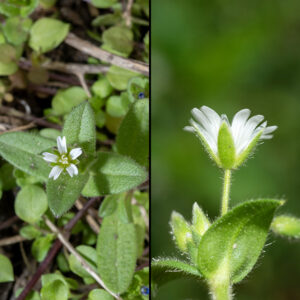
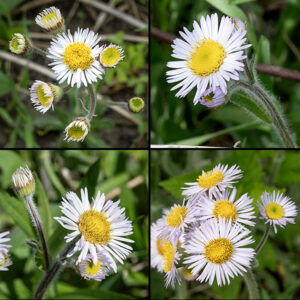
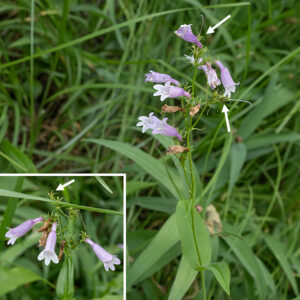
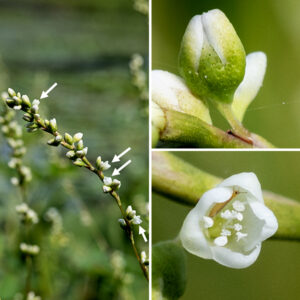
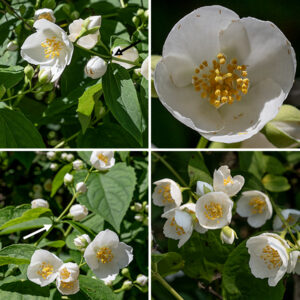
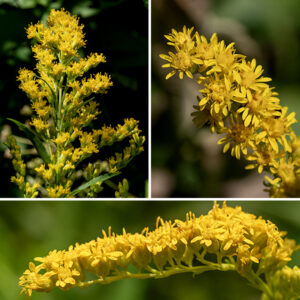
Bird’s-eye speedwell (Veronica persica) in situ on the lawn about 20 m north of Music Court Bridge. A bird’s-eye speedwell flower is shown in the insert on the lower left. For scale, the oval leaves in the bottom right corner with the white arc running across them are clover leaflets.
Bird’s-eye speedwell (Veronica persica) is an exotic winter or spring annual that is present virtually everywhere in the U.S. and Canada. Bird’s-eye speedwell is the most widely distributed of all Veronica species and has the largest flowers (but it’s still a tiny bloom, ~1/4″). Bird’s-eye speedwell prefers rich but disturbed soils; gardeners view it as a weed.
Browse more plants
Want to keep exploring more plants? You can view other plants like this one by selecting a characteristic from the list below, or 'browse more plants' to go back to the Plant Finder.
Related Plants